Recall · CPSC (US)
The Lye Guy Recalls Sodium and Potassium Hydroxide Products Due to Failure to Meet Child Resistant Packaging Requirement and Violation of FHSA Labeling (Recall Alert)
Yes. The Lye Guy, of Pennellville, N.Y.'s product was recalled on May 13, 2021 by CPSC (US). Reported hazard: The products contain sodium and potassium hydroxide, which must be in child resistant packaging as required by the Poison Prevention Packaging Act (PPPA). The packaging of the products is not child resistant, posing a risk of chemical burns and irritation to the skin and eyes. In addition, the label on the products violates the Federal Hazardous Substance Act (FHSA) by omitting the word "poison" and other mandatory information on the packaging. What to do: Consumers should immediately store the recalled products in a safe location out of sight and reach of children. Contact The Lye Guy for free replacement child resistant packaging and a new label. All known purchasers are being contacted directly by the firm.
Data updated November 9, 2026 · Source: official CPSC (US) recall data, checked daily
What was recalled
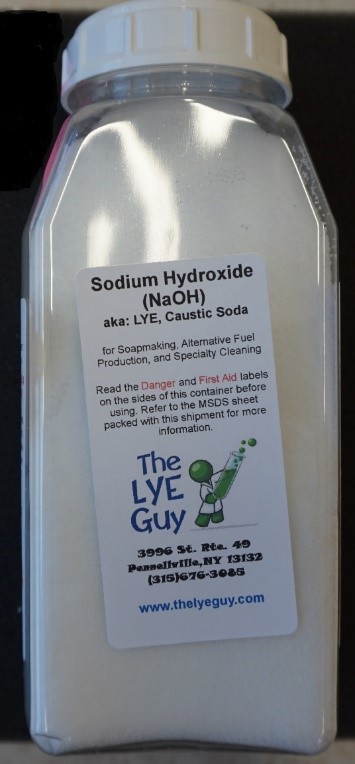
This recall involves The Lye Guy sodium hydroxide and potassium hydroxide products sold in 32 oz plastic jars with a white continuous thread closure. The Lye Guy logo and the product name are printed on a white label at the front of the jar.
The hazard
CPSC (US) flagged this The Lye Guy, of Pennellville, N.Y. product for the following risk:
The products contain sodium and potassium hydroxide, which must be in child resistant packaging as required by the Poison Prevention Packaging Act (PPPA). The packaging of the products is not child resistant, posing a risk of chemical burns and irritation to the skin and eyes. In addition, the label on the products violates the Federal Hazardous Substance Act (FHSA) by omitting the word "poison" and other mandatory information on the packaging.
What to do
If you own a The Lye Guy, of Pennellville, N.Y. product, here is the remedy CPSC (US) lists:
Consumers should immediately store the recalled products in a safe location out of sight and reach of children. Contact The Lye Guy for free replacement child resistant packaging and a new label. All known purchasers are being contacted directly by the firm.
Original recall notice: CPSC (US) →
Common questions
Is the The Lye Guy, of Pennellville, N.Y. product recalled?
Yes. The Lye Guy, of Pennellville, N.Y.'s product was recalled on May 13, 2021 by CPSC (US). Reported hazard: The products contain sodium and potassium hydroxide, which must be in child resistant packaging as required by the Poison Prevention Packaging Act (PPPA). The packaging of the products is not child resistant, posing a risk of chemical burns and irritation to the skin and eyes. In addition, the label on the products violates the Federal Hazardous Substance Act (FHSA) by omitting the word "poison" and other mandatory information on the packaging.
What should I do if I have this product?
Consumers should immediately store the recalled products in a safe location out of sight and reach of children. Contact The Lye Guy for free replacement child resistant packaging and a new label. All known purchasers are being contacted directly by the firm.
Where can I read the official recall notice?
The original notice is published by CPSC (US) — linked directly from this page.
Want to hear about recalls like this without checking?
We monitor CPSC, FDA, and EU Safety Gate daily. Recall info is always free.
One email a week. Unsubscribe anytime.
Other recalls
More other recalls Pouch has tracked. See all →
Baby Sleep Pillow – Blue and White Cat
November 6, 2026RootStim Recalls Minoxidil Hair Regrowth Treatment Bottles Due to Risk of Serious Injury or Death from Child Poisoning; Violate Mandatory Standard for Child-Resistant Packaging
October 29, 2026Echarpe de transport de bébé confortable, écharpe de transport de bébé douce et respirante
Happy Walk·October 16, 2026baby play mat & ball pit
October 16, 2026Primark Recalls 101 Dalmatians Faux Leather Children’s Coin Purses Due to Phthalate Levels and Risk of Ingestion
October 15, 2026